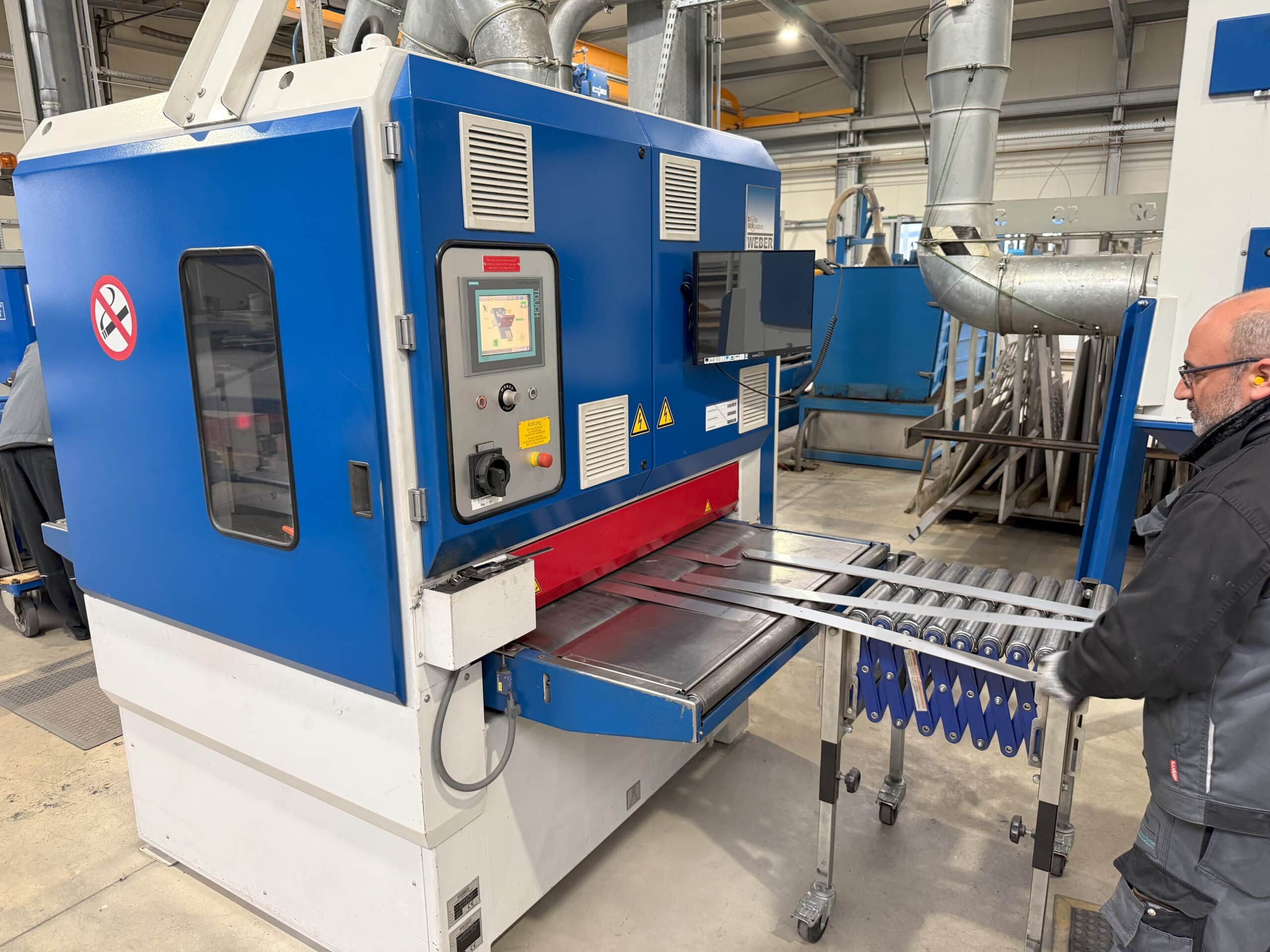
Waterjet Cutting, Laser Cutting and Flame Cutting as well as Forming, Bending and Machining
No matter which cutting and machining technology we use to complete your order: with WST you always get the best cut. Whether in machining quality, in the wide range of processing options from waterjet cutting and laser cutting through to bending and forming, all the way to further processing by CNC machining or surface finishing through deburring and grinding. These are the best conditions for assembly manufacturing of the highest quality. Our speed, on-time delivery and above all a competitive price.
Our services include:
WST Ahaus GmbH has been working successfully as a pioneer of waterjet cutting technology in this sector since 1995 and has continuously developed – by adding new technologies – into a modern, quality-conscious and high-tech sheet metal processing operation. WST is a supplier to renowned manufacturers in mechanical engineering, aerospace technology, vehicle construction and all related industries. Many natural stone processing companies are also among our customers, because waterjet cutting is the ideal complement for machining marble and granite.
Thanks to our extensive material stock, which in addition to the classic stainless steels and the most important aluminium grades contains many special materials such as quenched and tempered steels, case-hardening steels and wear-resistant steels as well as non-ferrous metals and plastics, we can fulfil your orders with very short lead times.
We process the following materials:
- Steels: high-alloy (VA steels / stainless steel)
- Structural and wear-resistant steels up to 80 mm
- Non-ferrous metals: aluminium up to 120 mm
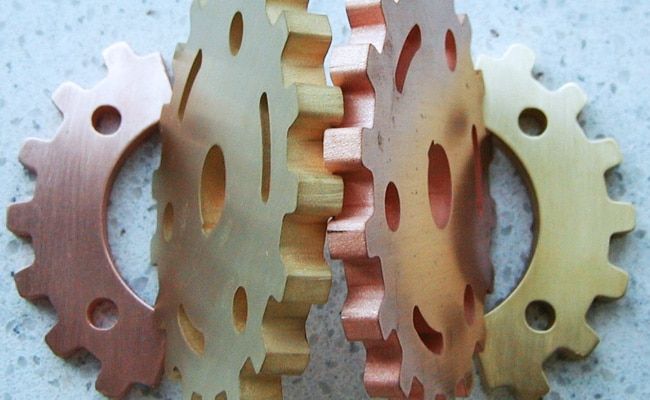
- Brass, copper up to 80 mm
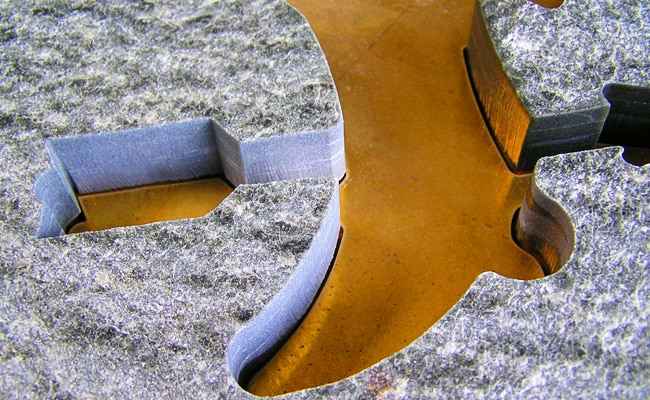
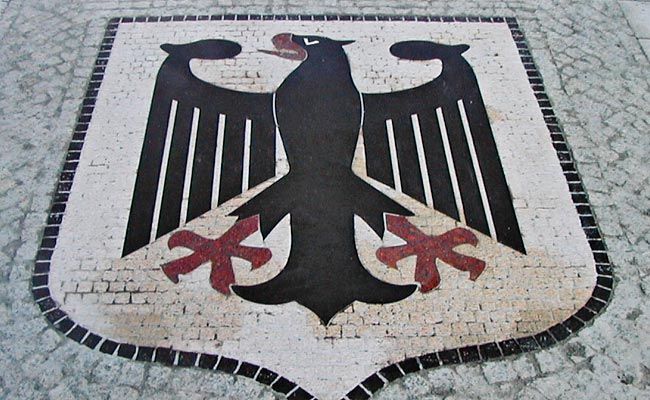
- Natural stone: marble, granite, sandstone …
- Plastics: POM, PE, PA, PP, PU, PC, PVC, PS …
- Structured material: chequer plate, patterned sheet …
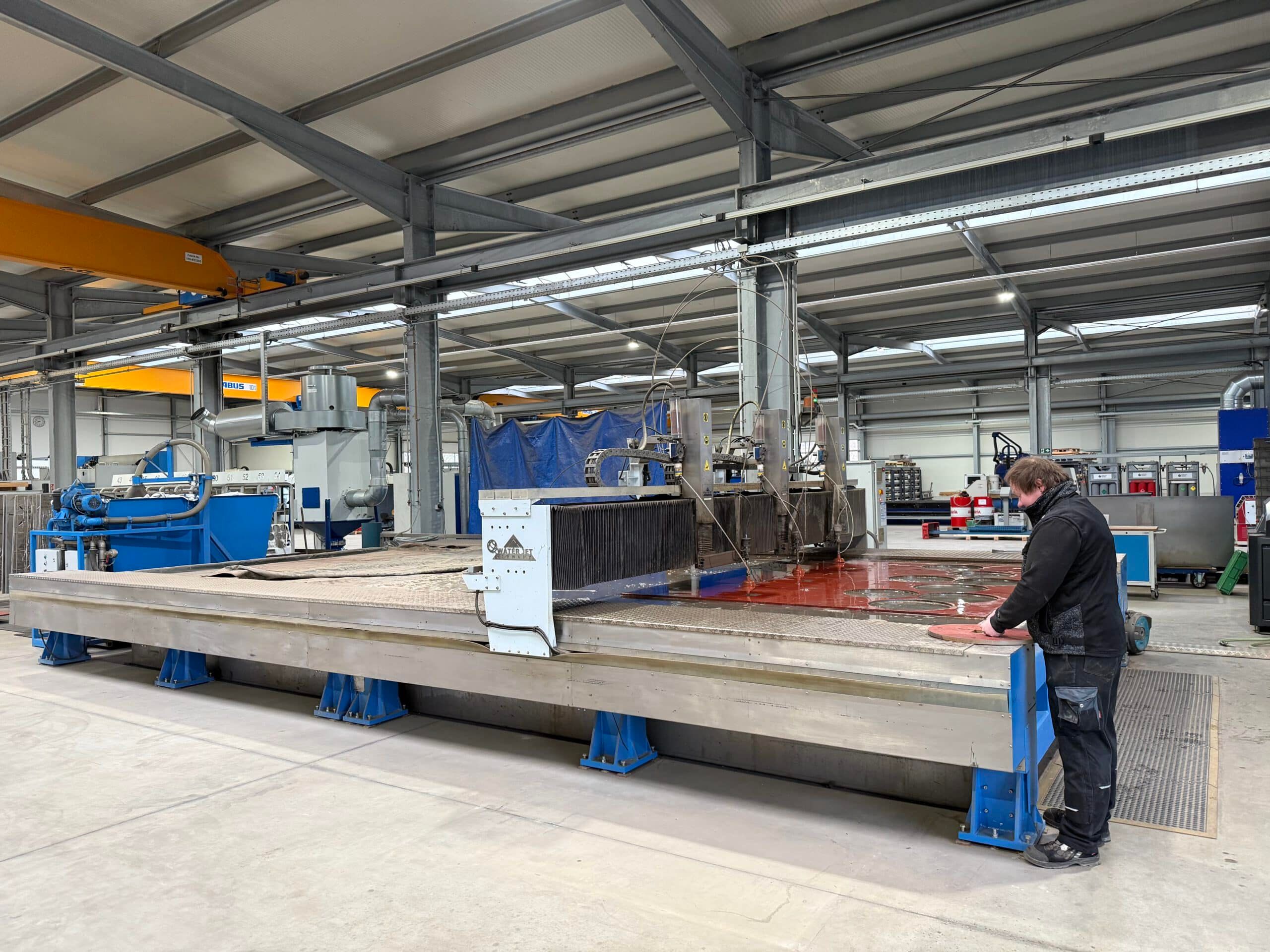
Waterjet cutting
For certain materials, or for large material thicknesses, the thermal cutting process is unsuitable. This is where waterjet cutting meets the requirements. Materials such as titanium, stainless steels, copper and aluminium are problematic with laser cutting. When machining fibre-composite materials or stone, the laser cannot be used.
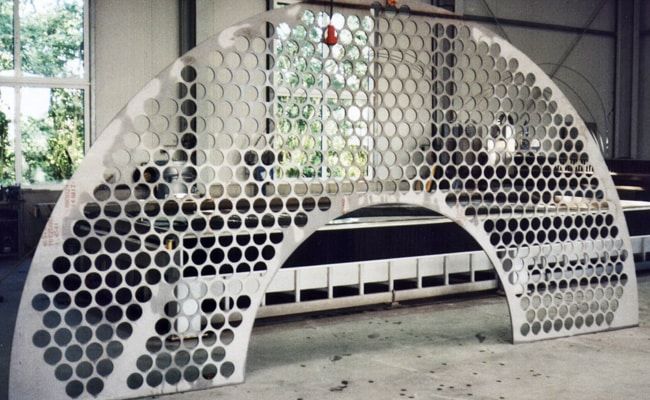
For plastic-coated sheets, waterjet cutting is often the only solution, because the surface coating is not adversely affected.
Thanks to modern CAD/CAM technology, we are able to cut virtually any contour in the 2D range. Whether metals, natural stone, plastics or sandwich materials are involved makes no difference. Even cutting large material thicknesses, including hard materials such as wear-resistant steels, is possible with high accuracy.
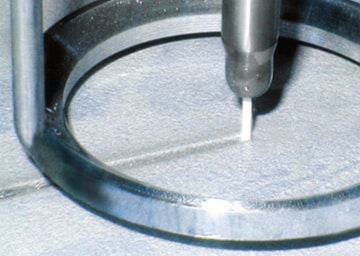
A fine waterjet of Ø 0.1 to 1.1 mm at very high pressure produces an extremely effective cutting tool. The material undergoes – even in the edge zones of the cut – no structural changes whatsoever.
Waterjet cutting video
Areas of application
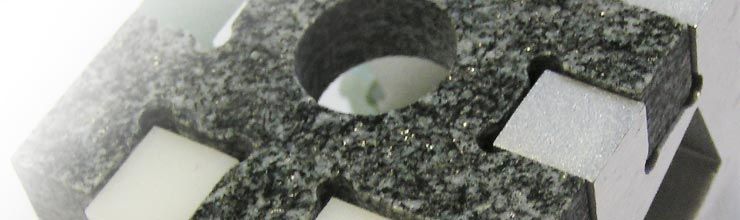
The following materials can be processed excellently with WST waterjet cutting technology:
- Stainless and structural steels
– high-alloy, stainless chrome-nickel steels, wear-resistant steels and structural steels - Non-ferrous metals
Non-ferrous metals such as aluminium, brass and copper are particularly suitable; they form almost no burr during machining - Brass, copper and aluminium
materials that can probably not be processed more cost-effectively by any other method. - Natural stone
(almost) anything nature offers is possible. Ideal also in combination with stainless steel and brass. - Plastics
polyethylene, polyamide, polyurethane, silicone, rubber, PVC, polycarbonate, acrylic glass, … - Special materials
chequer plate, fabrics, sandwich and composite materials, … - Further materials on request
The advantages of waterjet cutting
- precise nominal dimensions
- no heat influence
- no structural changes
- no hardening of the cutting edges, therefore also very low tool wear during finishing (e.g. for fits)
- clean, virtually burr-free workpieces
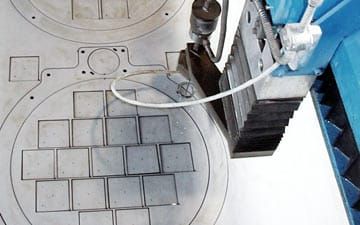
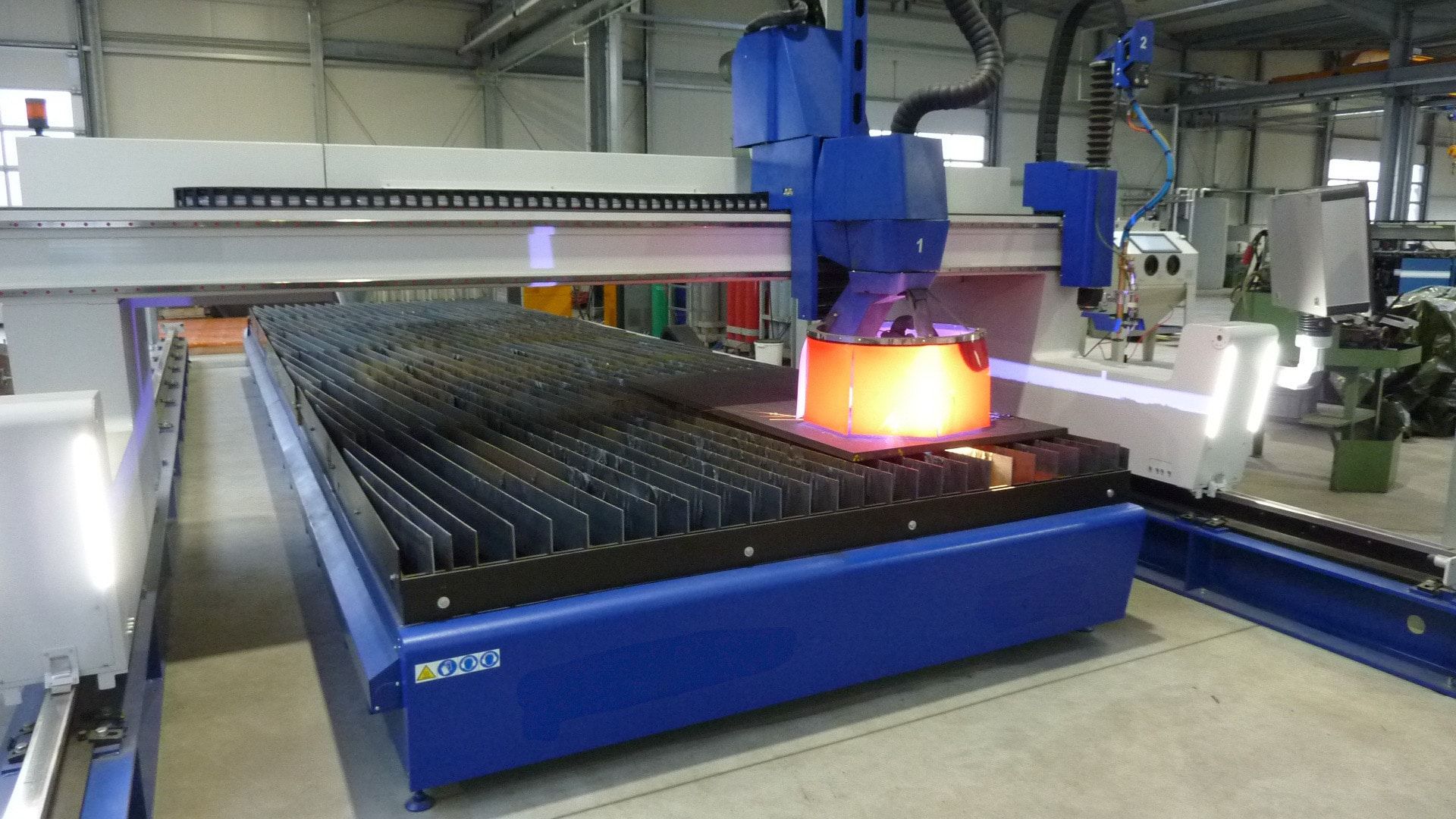
Abrasive waterjet cutting is carried out on large work tables with an effective working area of 6150 × 3150 mm and the highest accuracy.
Technology comparison
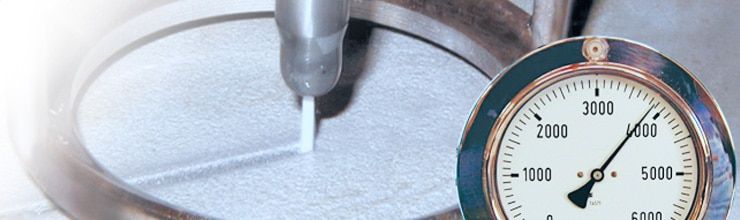
Almost always, alongside the shortest possible lead time, price plays the main role in awarding orders. At first, flame cutting sometimes appears cheaper.
But only at first glance! In a direct comparison you will find that waterjet cutting is a cost-effective solution.
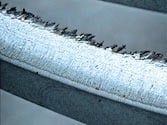
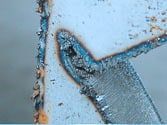
We compare the cutting processes laser cutting and plasma cutting with images. At first glance you can already see the differences. In most cases, workpieces cut with waterjet are ready for installation. They rarely require any reworking.
And if they do? The smallest oversizes are enough to incorporate H-fits, for example. Even more important: your tools do not wear out. Because there is no edge hardening. Threads can be cut as well as if the core holes had been produced by a mechanical process.
Application examples
Laser cutting
Laser cutting up to 6000 × 2000 mm (2D and 3D)
The advantages of laser cutting technology
The laser beam is a perfect cutting tool: focused to a spot diameter of 0.1 mm and larger, it cuts not only the classic materials such as stainless steel, structural steel and aluminium, but also the hardest materials such as tungsten, silicon nitride, carbides and diamond.
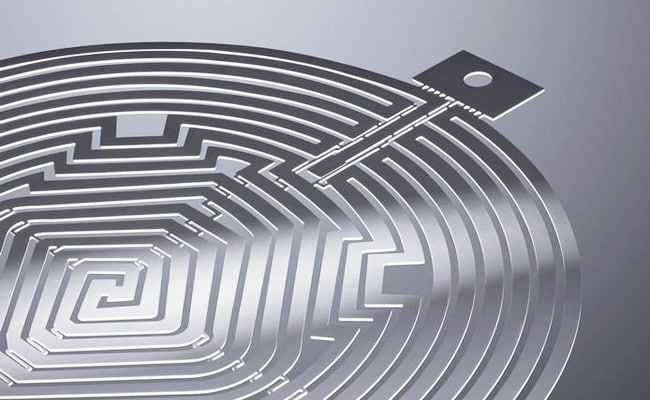
The laser cuts tight radii, fine bores and points, narrow webs with high contour accuracy and sharp edges and corners. These are its strengths.
Videos:
The videos show how fast and efficient sheet metal processing can be. With
3D/2D high-speed cutting or tube laser cutting! Depending on the material,
speeds of up to 40 m/min are achieved. This saves time and money. (Videos by WST Ahaus
GmbH and TRUMPF GmbH www.trumpf.com)
3D laser cutting, e.g. bevels / weld seam preparation
2D laser „FlyCut“
2D laser cutting „Fastcut“
Tube laser cutting up to 200 mm diameter
Laser engraving
Application examples
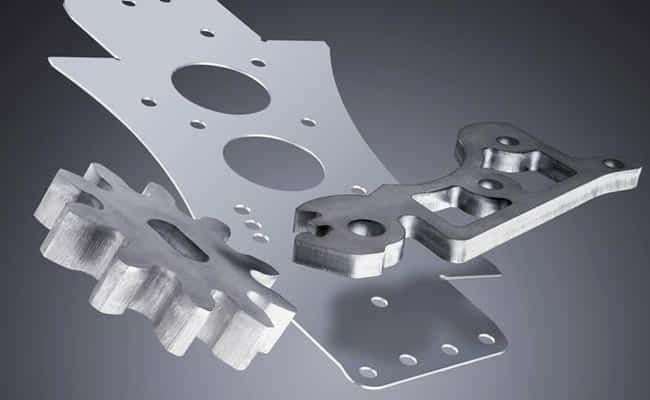
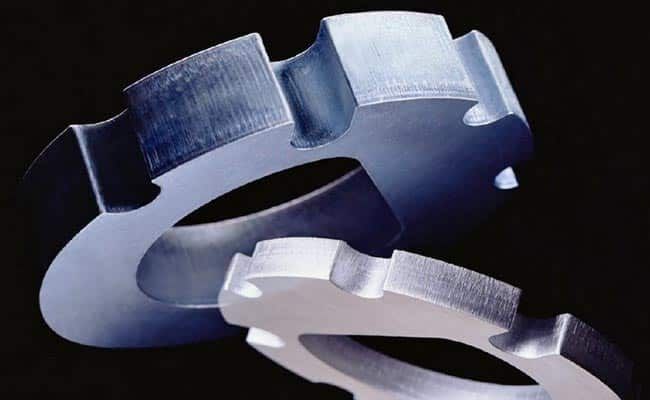
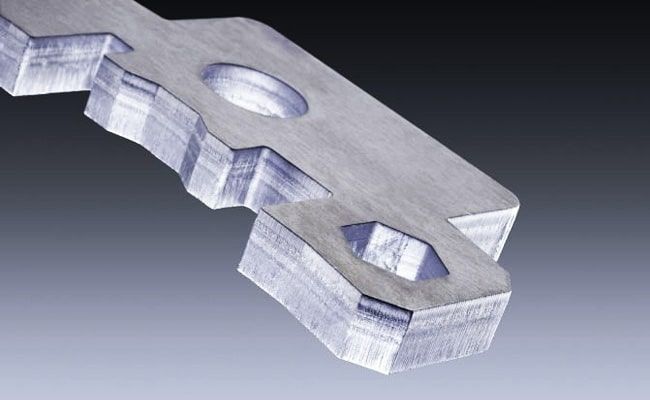
- Laser cutting delivers perfect results especially for intricate parts with many curves.
- Not only exact curves but also tight radii are no problem for the laser.
Plasma cutting
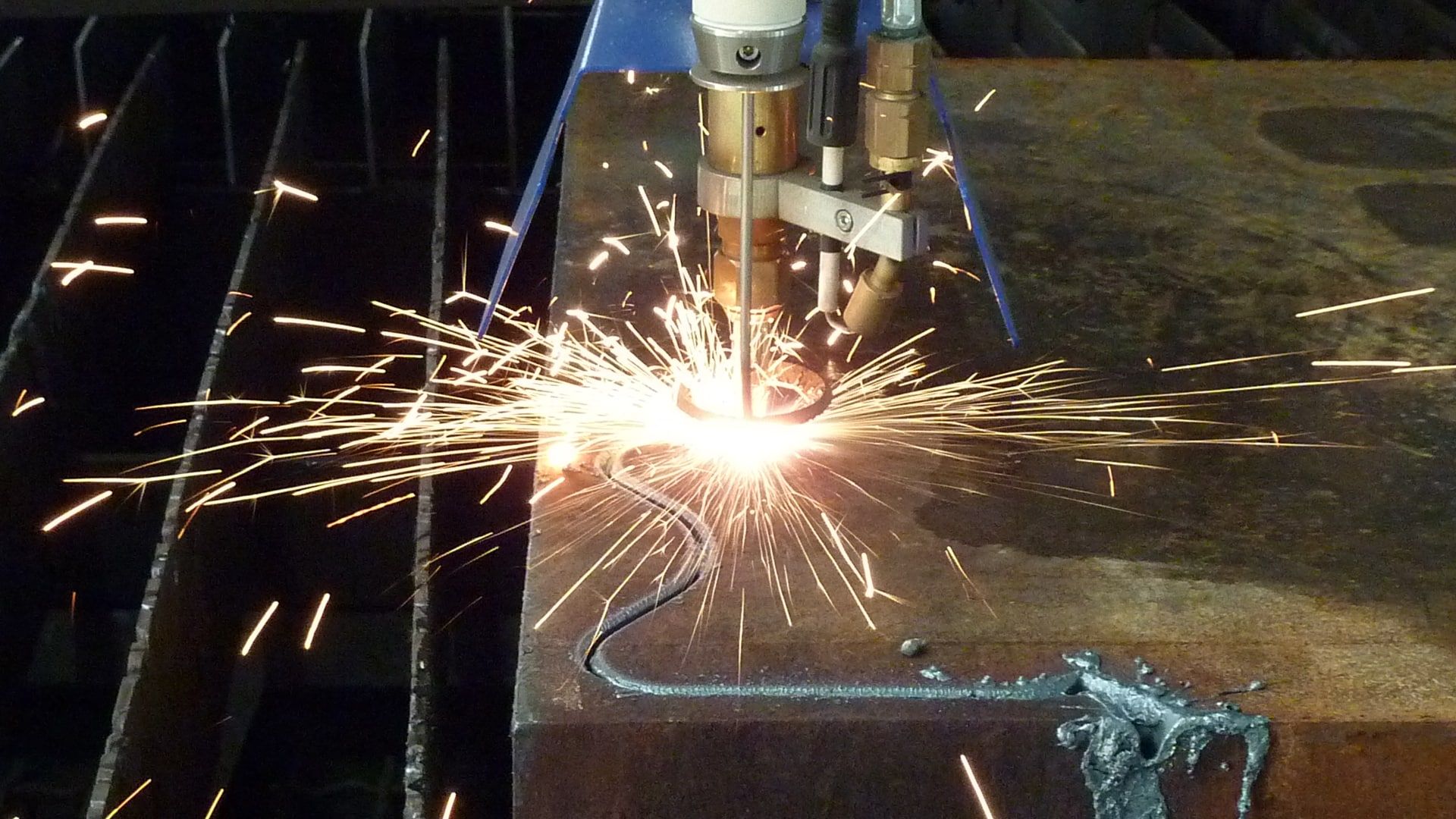
2D / 3D plasma cutting
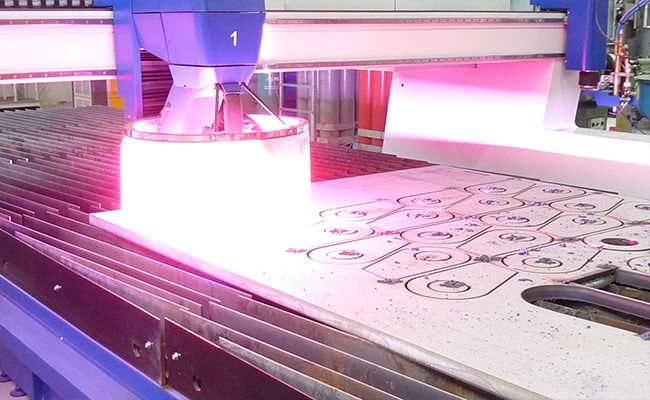
Plasma cutting and tube machining are possible on our state-of-the-art system up to a format of 2500 × 8000 mm.
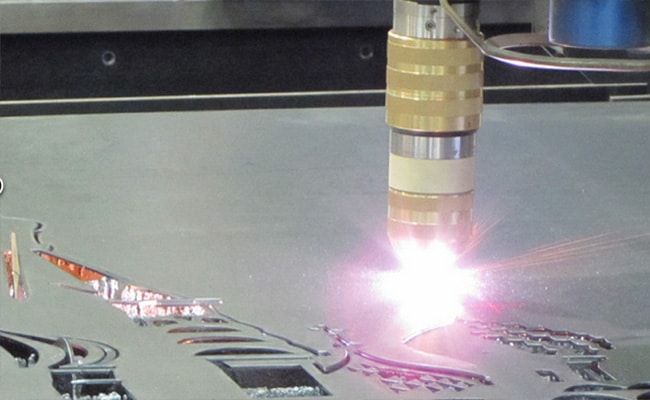
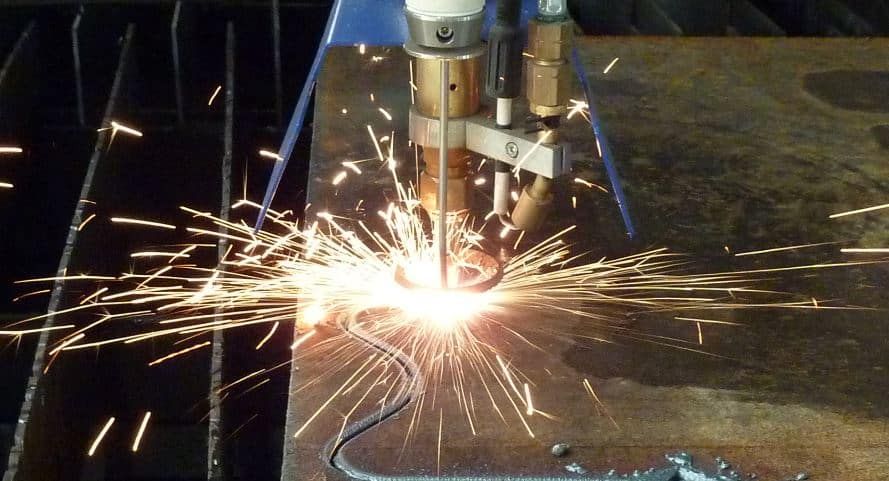
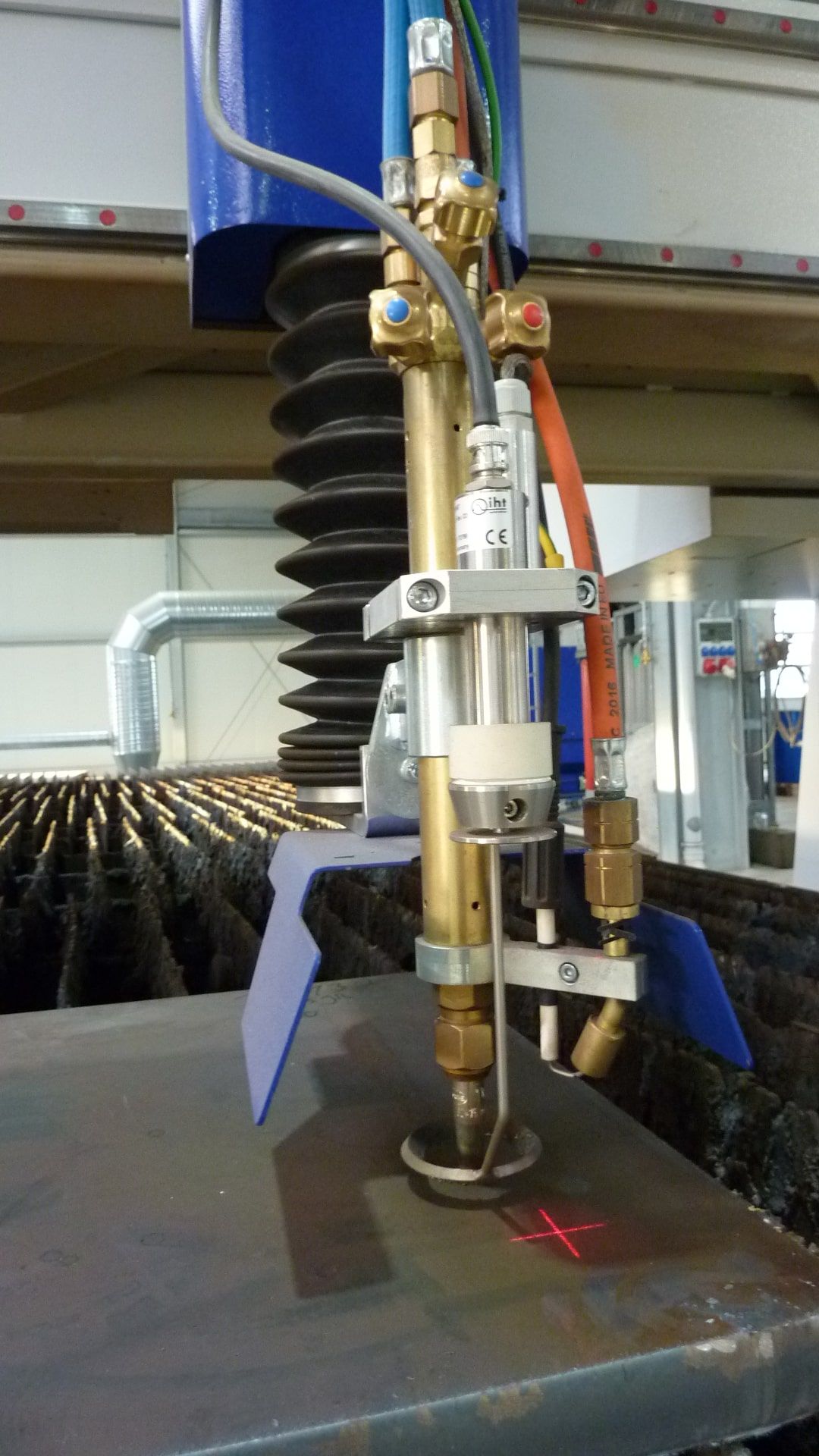
In plasma cutting, the components to be manufactured are cut with the help of an arc that is 3000 degrees hot. This is generated by a jet of an electrically conductive gas, the so-called plasma jet. We are also able to produce a weld seam preparation (e.g. V-seam, X-seam, Y-seam or K-seam). Thanks to a CNC-controlled axis, in tube machining we are able to cut different contours into the outer surface.
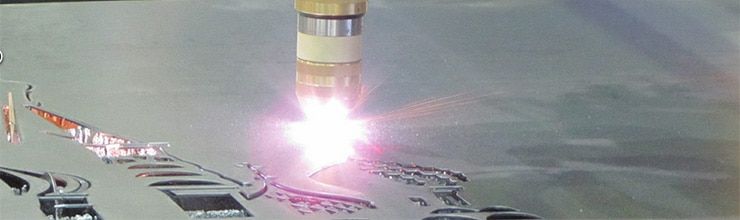
The advantages of plasma cutting in brief:
- higher cutting speeds in the medium and thick material thickness range than laser cutting
- less thermal influence than oxy-fuel flame cutting
- economical cutting at material thicknesses of up to 40 mm
- smaller inner contours than flame cutting are possible
Plasma cutting video
Application examples
Flame cutting
The advantages of flame cutting
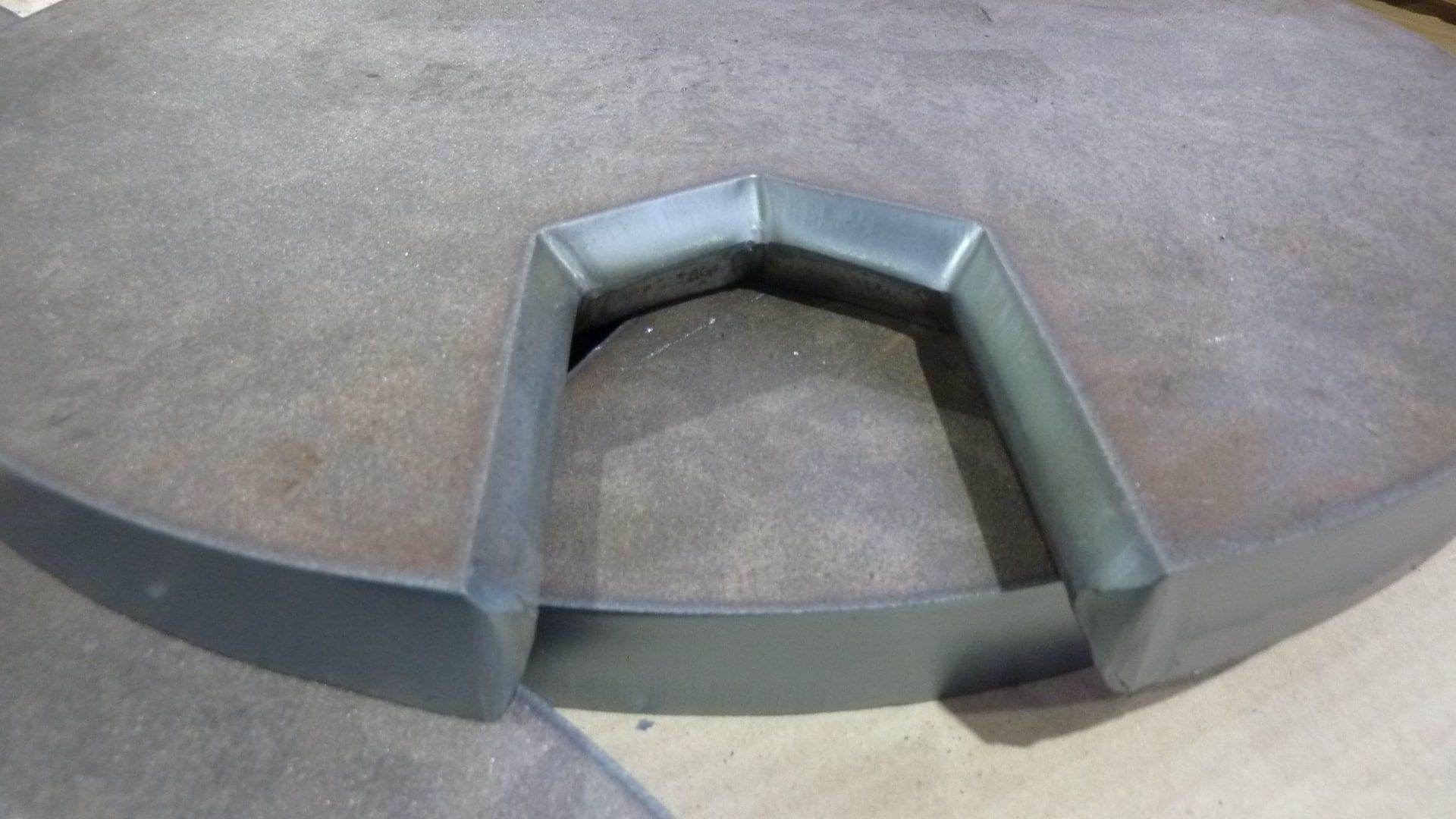
With the oxy-fuel flame cutting process, structural steels such as S355J2+N can be processed even in very large material thicknesses. To do this, the material is heated to just below the melting point and the desired component is produced with a focused jet of pure oxygen.
The advantages of flame cutting are economical cutting in large material thicknesses as well as high cut quality and little reworking.
Application examples
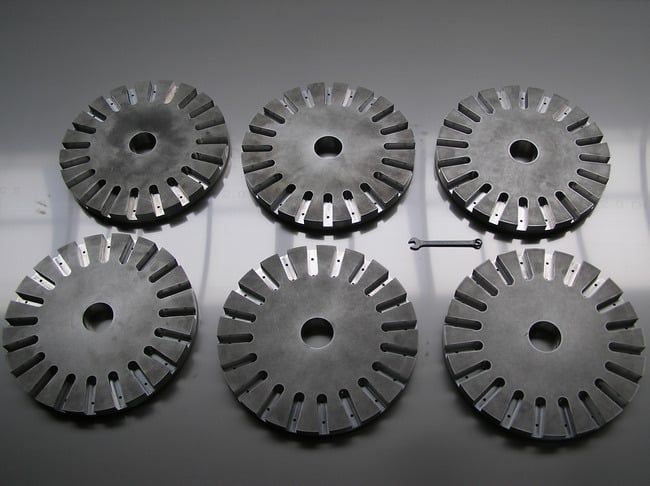
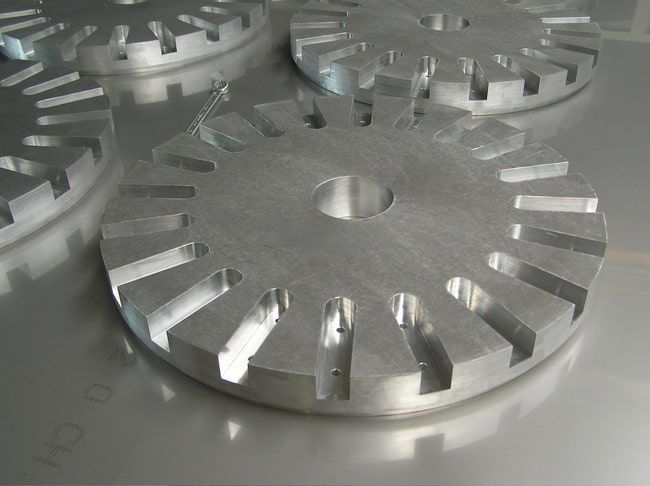
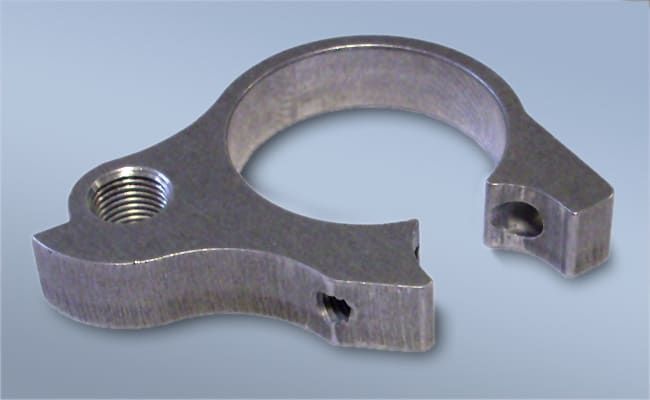
Machining
Metal-cutting machining
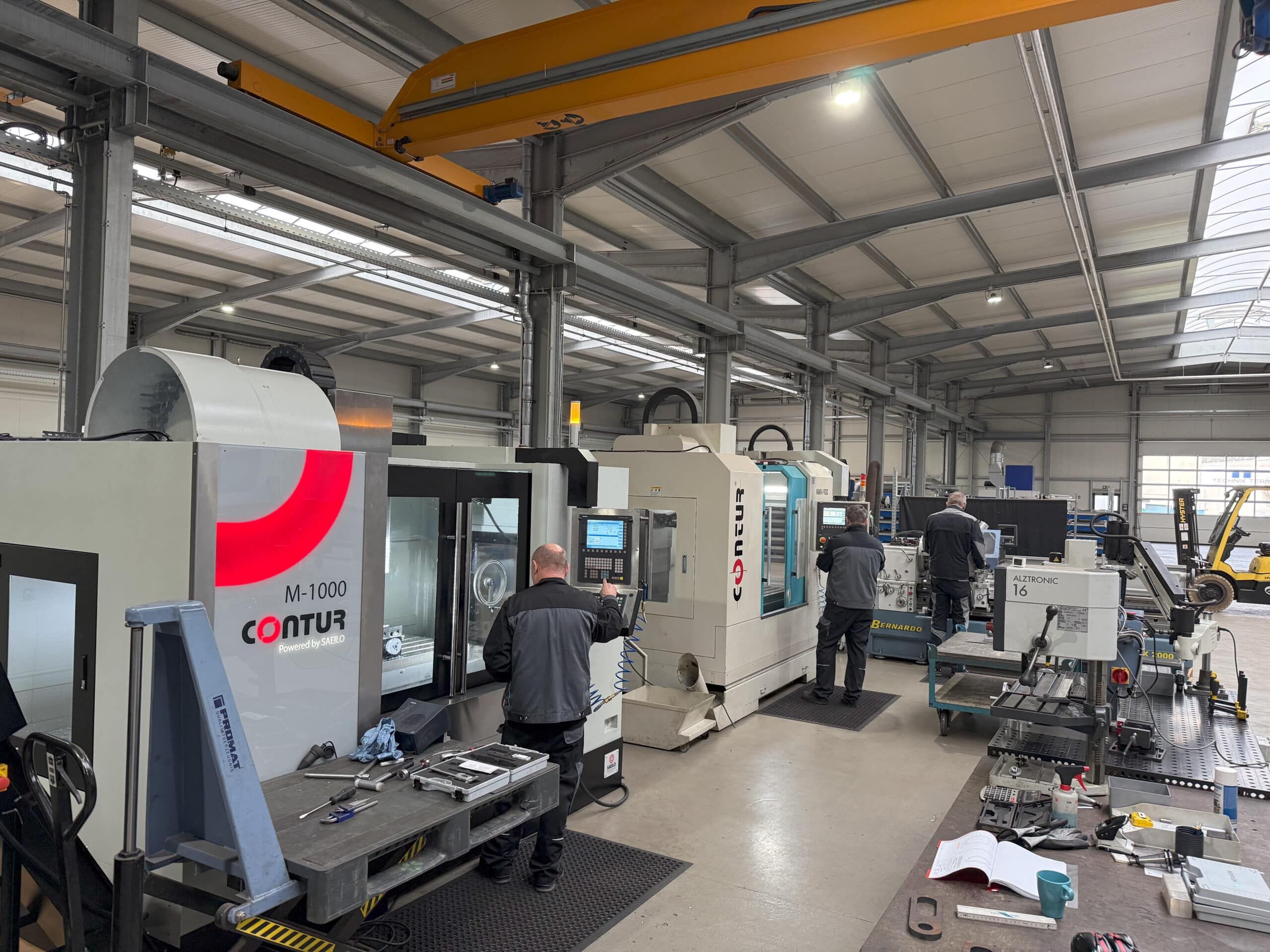
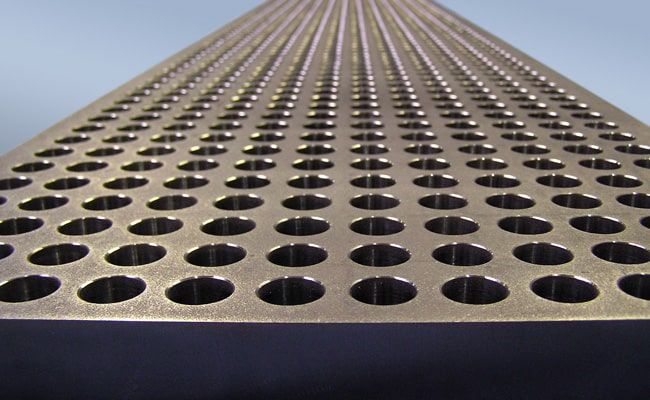
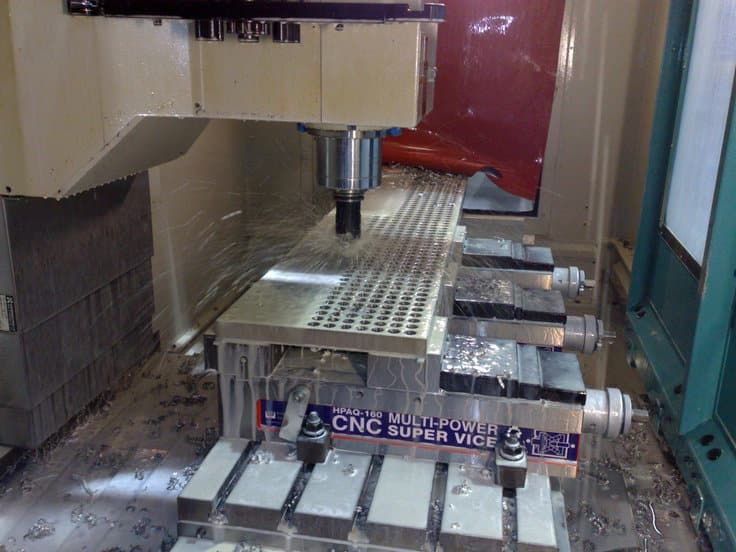
Our machine park in the field of machining includes:
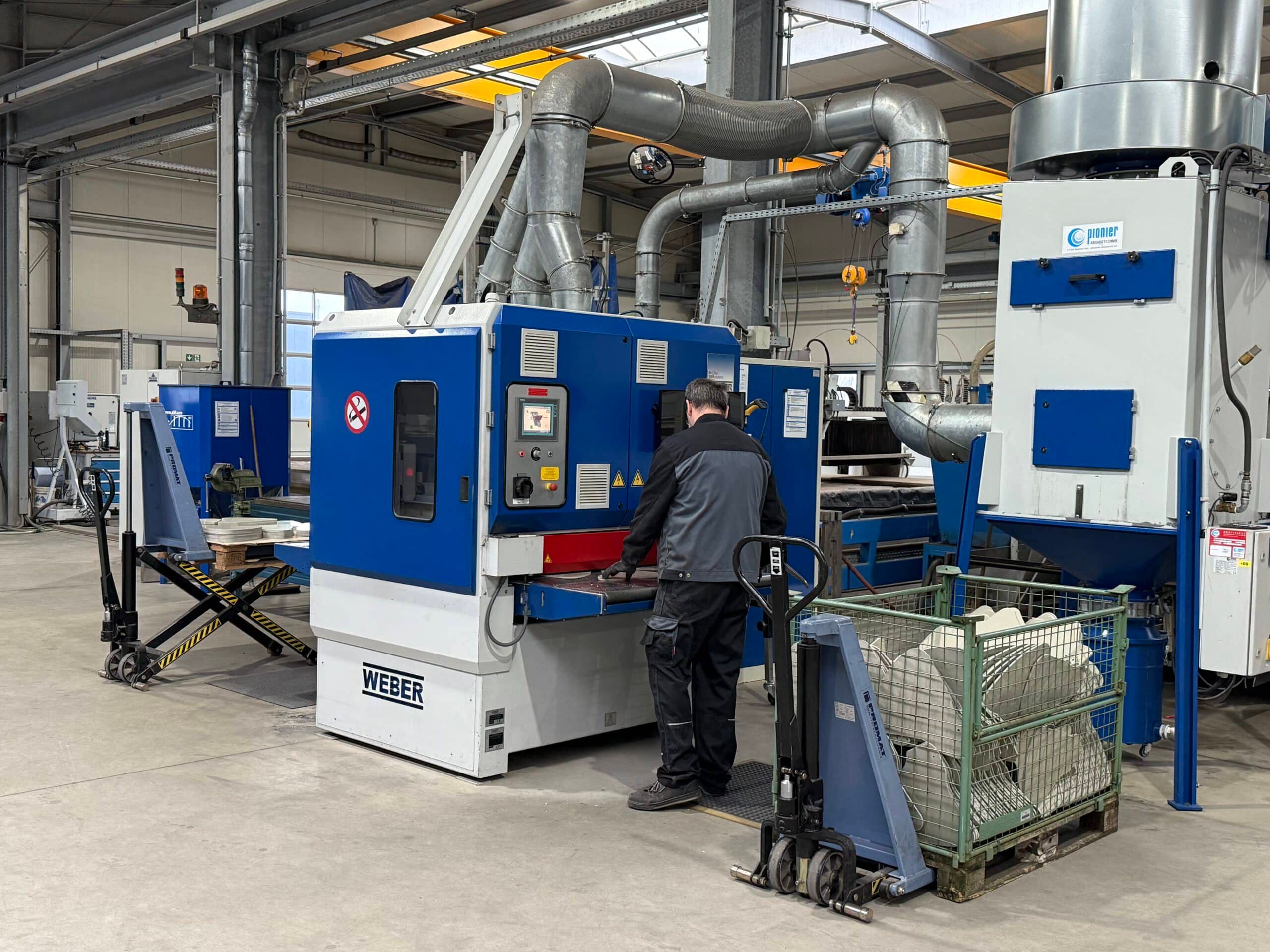
- vibratory finishing systems for deburring and edge rounding of small to medium-sized components
- vertical CNC machining centre for workpieces up to 2350 × 500 × 600 mm
- 4-axis simultaneous vertical CNC machining centre with rotary axis for workpieces up to 3600 × 800 × 700 mm
- conventional lathes for turned parts up to 1000 mm in length and 300 mm in diameter.
- radial drilling machines up to 1500 mm reach
- pillar drilling machines
- fully automatic band saws
Machining video
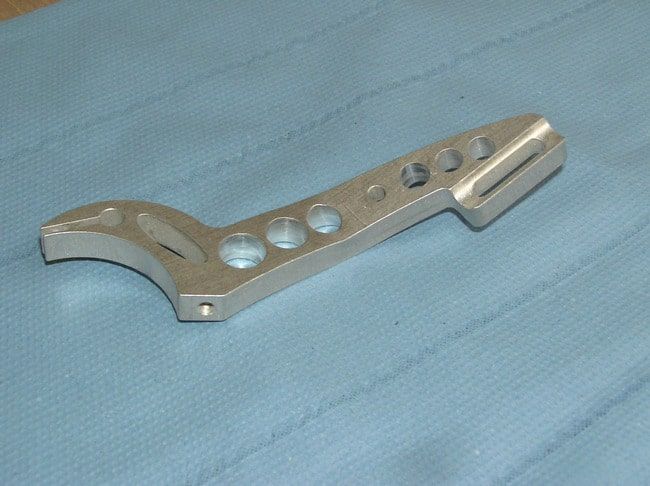
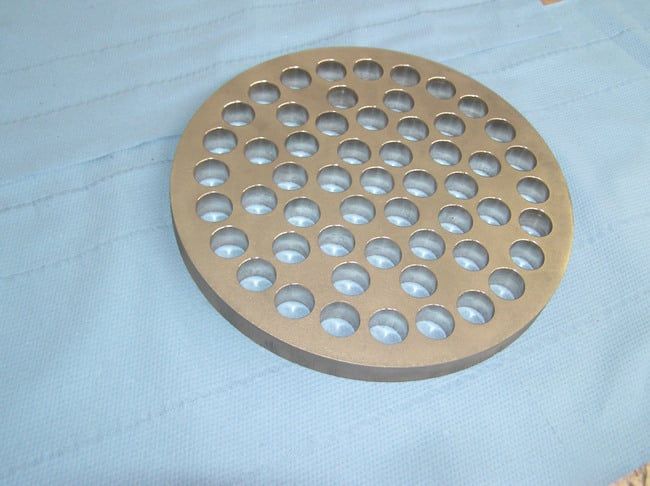
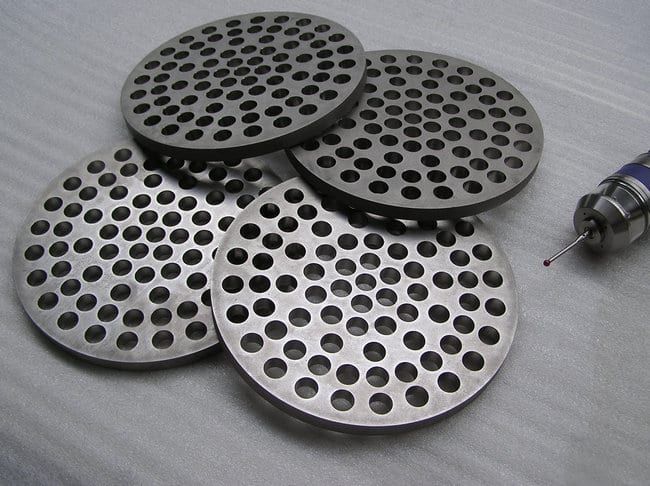
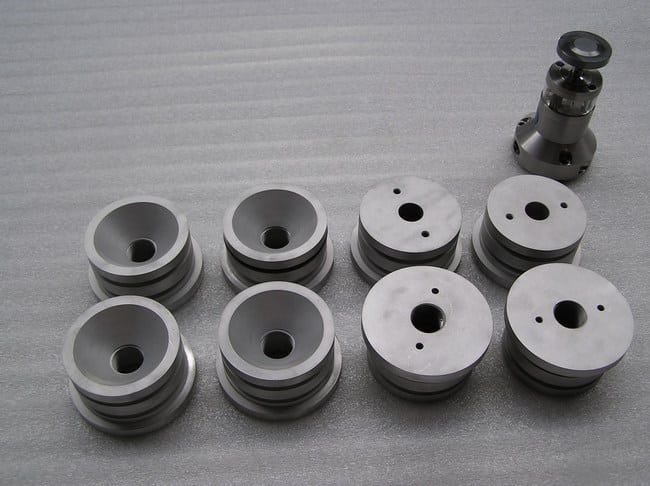
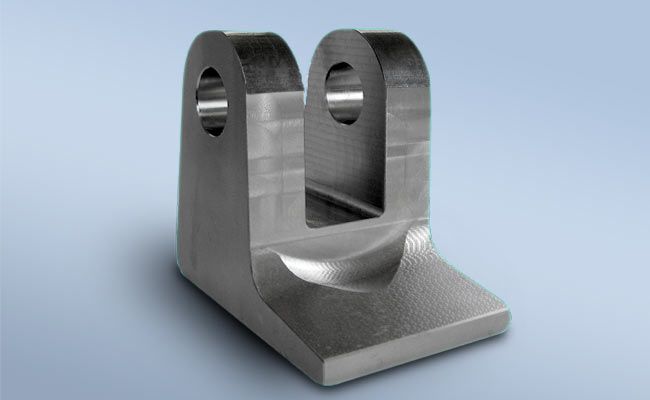
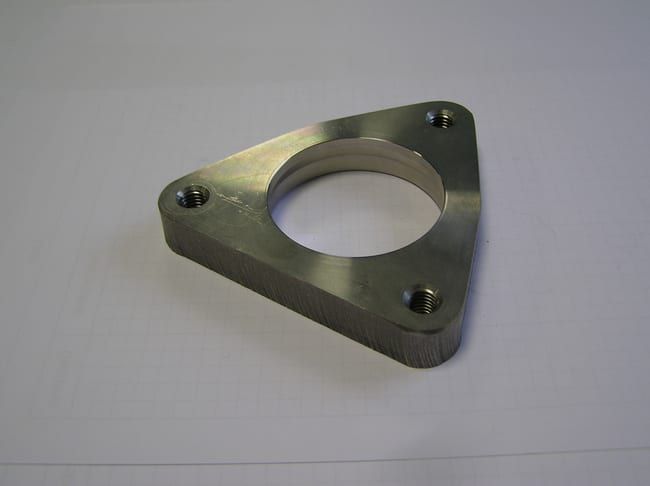
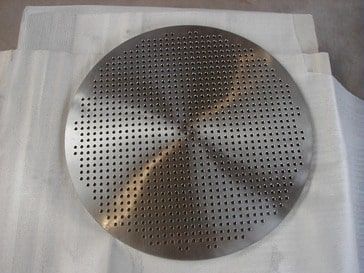
Application examples
Forming
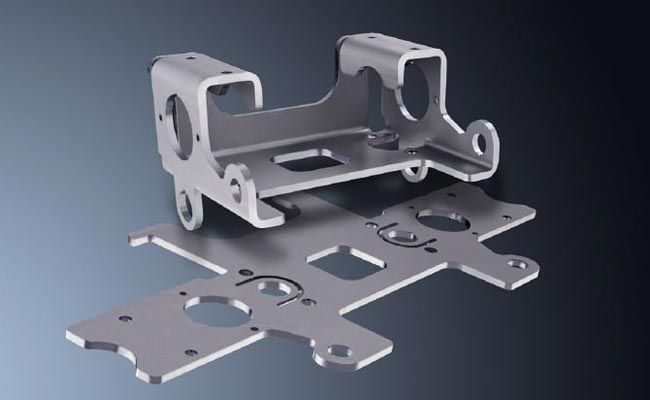
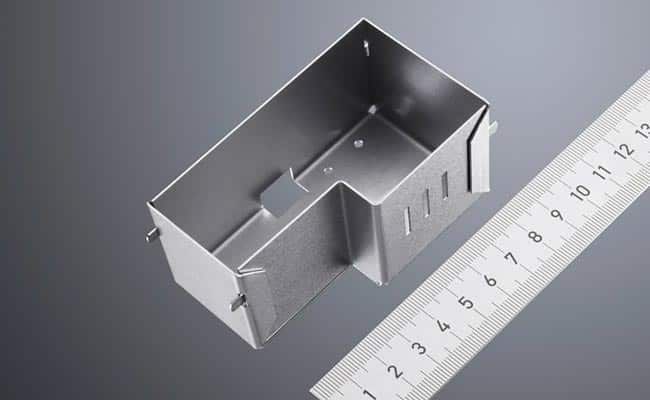
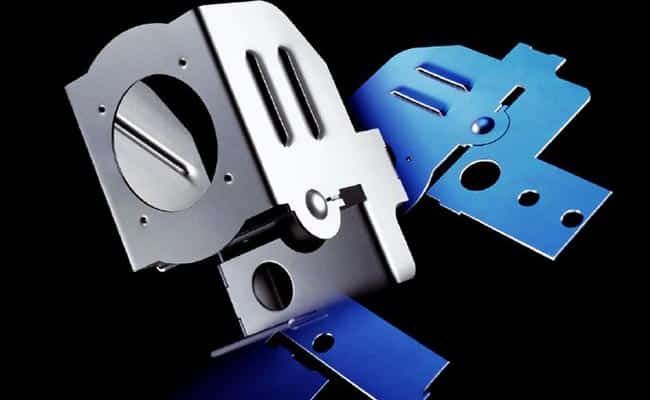
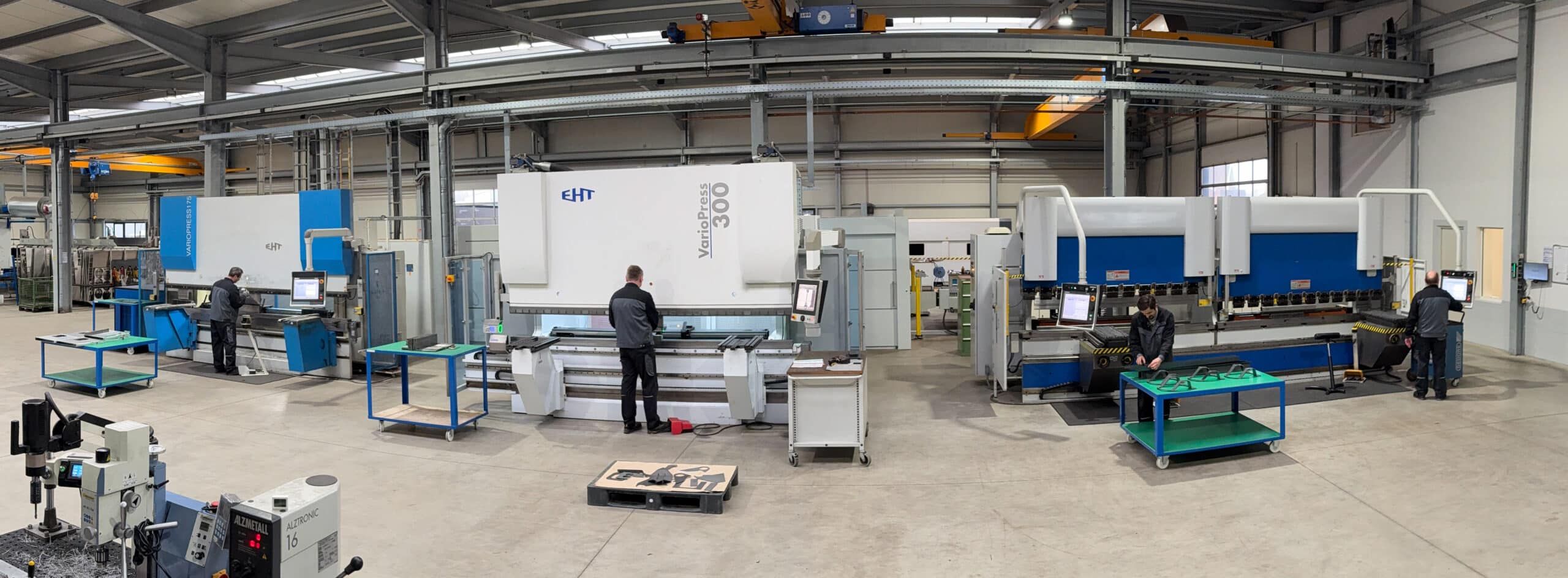
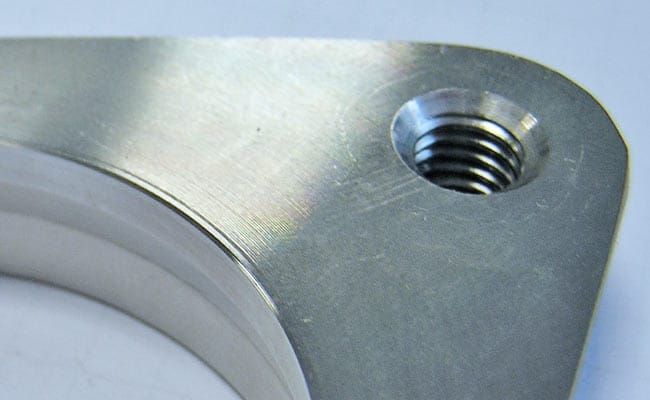
Forming and bending of sheet metal parts
Sheet metal parts are so commonplace that we hardly give any thought to how much know-how and skill goes into their production. The variety of shapes and applications is enormous.
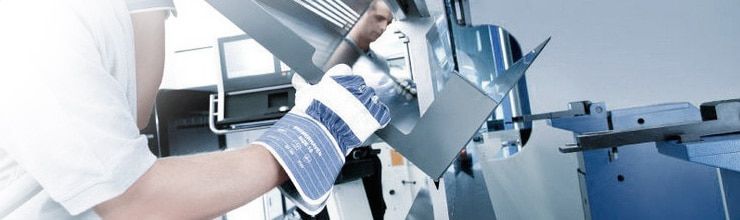
Their production requires a perfect interplay of people and machines. We offer you modern technology and a great deal of experience for the manufacture of your sheet metal components – from the drawing to the ready-to-install part.
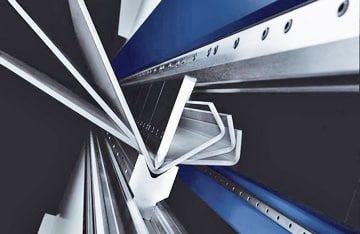
Modern press brakes and a great deal of machining experience are our basis for perfect results.
Application examples
- We also process small parts with precision.
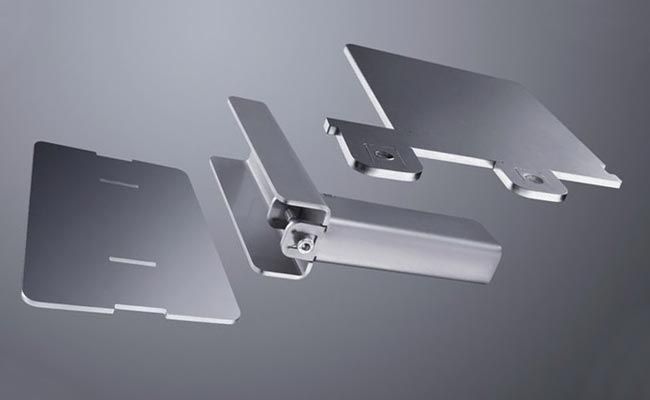
- Everything from a single source: from raw part to finished part
- On request, you can also receive complete assemblies from us.